
Sustainable Living Tips
How to Reduce Plastic Waste in Daily Life

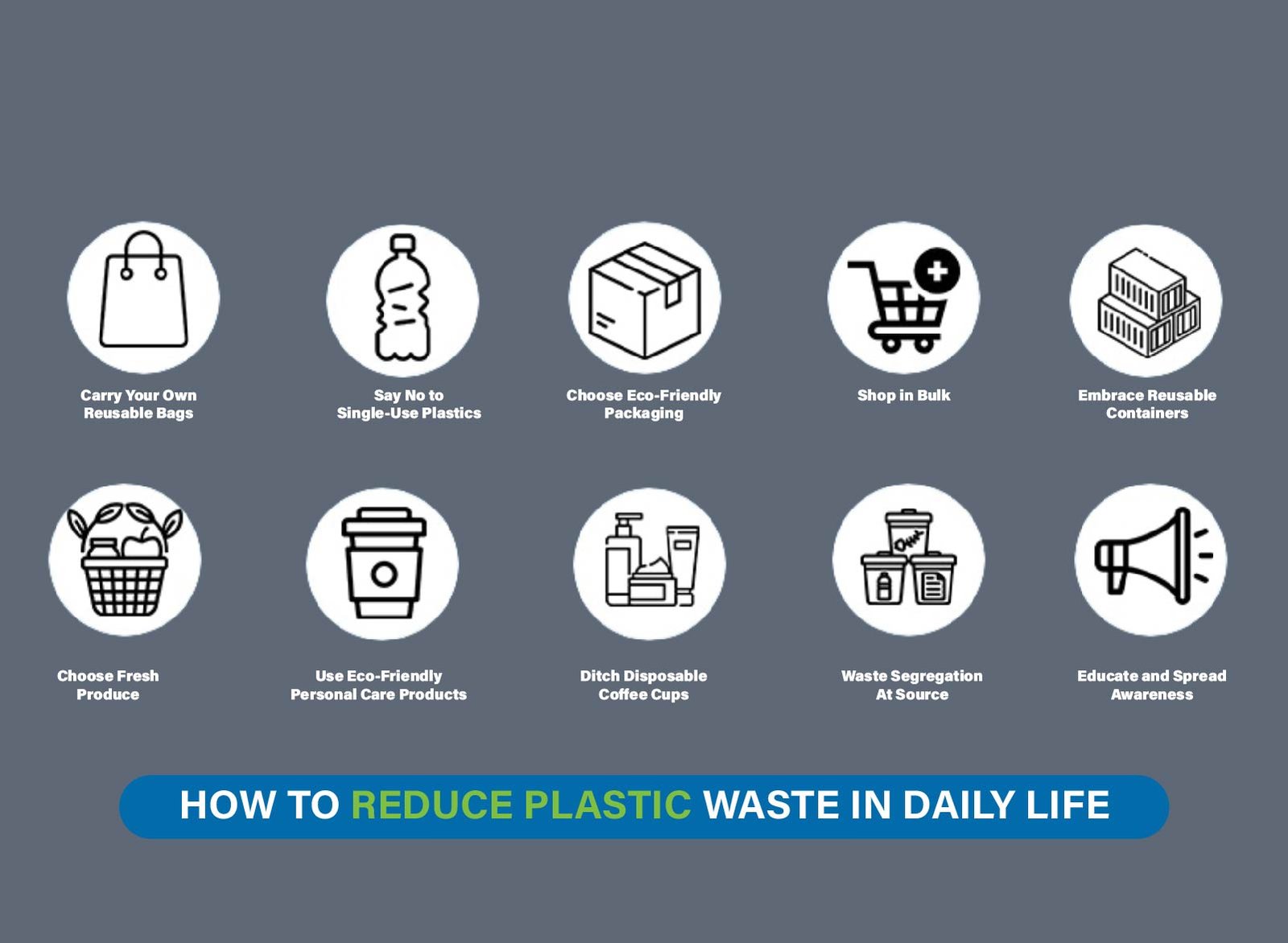
It is important to eliminate daily life use of plastics to conserve the environment and have a healthier habitat as well as a sustainable future. Every plastic that we do not use, reuse, or recycle will help us make our planet cleaner and cause less damage to wild life, to oceans, and even our health. The journey begins with the little steps we take frequently; taking reusable bags, declining single-use straws and cups, buying products with reduced packaging, etc. Teaching others and being good role models in our homes, workplaces or within the society is also an influential factor.
The breakdown of plastics can take many hundreds of years where they emit microplastics and toxic chemicals into the environment. When we take conscientious choices and are conscious of what we take, we limit the usage of plastic that does not need to exist. It is about adopting new routines, buying goods and services of green brands and advocating local policies that reduce the amount of plastic in use. Each one has part to play. It can be as simple as taking plastic wrapped vegetables instead of reusable bottle of water, but it makes a difference. Begin today- since the solution starts with us.
Reduce Plastic Use at Home
Since one of the best things to do at home is to plastic waste as the first step to a sustainable lifestyle. Some of the things that are the main causes of extra plastic consumption include kitchens, bathrooms and cleaning regimens. We dip our ecological footprint when we change to reusable containers, natural cleaning tools, and other products made of cloth. Easy decisions, e.g. purchasing in large quantities, not using disposable products, properly segregating garbage, form lasting habits. Mindful shopping, conscious consumption and recycling are important. Although small-scale actions at home might not change things significantly, they can serve as a source of encouragement to influence more people to adopt plastic-free lifestyles to forge a greener future.
Use Reusable Kitchen Containers
Instead of cling wrap or disposable plastic food bags, put food in glass, steel or silicone food-safe reusable containers. These alternatives are more sustainable, as they do not leach chemicals and lessen one-time-use plastic usage. They can be used in leftovers, as meal prep, or even as packed lunches. Instead, this easy change will produce fewer materials waste and will preserve the environment (which is rapidly becoming polluted by plastics).
Avoid Bottled Water
Instead of purchasing bottled water, buy yourself a home water filter and refillable bottle made of stainless steel or that does not contain BPA. This minor modification will greatly lower the consumption of plastic, save money in the long run, and guarantee clean drinking water without increasing the size of landfill and ocean trash. Take your bottle wherever you go, be it to work/school and the gym and in so doing reduce the burden on the environment in terms of production and disposal of plastic bottles.
Choose Bulk Products
One of the easiest ways to plastic packages is to do shopping in bulk. Cereals, spices, nuts or grains People should bring their jars, cloth or containers when purchasing grains, nuts, cereals or spices. Fill-in stations with dry food and household products are being introduced in many shops. Bulk purchase also cuts wastages of food and reducing the trips to the store. By preferring unpackaged products, the consumer leverages a more circular low-wastes supply chain that reduces plastic used in manufacturing to throwing it away.
Use Eco-Friendly Cleaning Tools
Trade-in harsh synthetic and plastic based cleaning products to upgrade to natural and washable ones. Brush made of bamboo scrubs, rags that can be washed and scourers made of metal are a good option. This does not only last longer than plastic tools, but it also breaks down in a safer process after use. Do not use microfiber clothes that pollute water bodies with microplastics. With the new cleaning equipment, your landfills will no longer create waste, as well as the harmful plastic stored in your home and environment.
Recycle Properly
One should know about local guidelines to recycle efficiently. One should never forget to rinse food containers, keep different kinds of plastic apart and never recycle what is contaminated. When plastics are misplaced, they could interfere with the recycling efforts and land in the landfills. Check what number is symbolized by package so that you can understand whether it is accepted or not. Proper recycling limits the amount of virgin plastic in demand and the level of mitigating usable materials so that they can be properly recycled to be used in other products.
Shop Smart and Sustainably
The kinds of shopping habits strongly affect the usage and disposal of the plastic.Each product bought adds either to the plastic mess or to its fight. Conscious, intelligent decisions, like choosing products with the least amount of packaging, or second-hand products, also help diminish the demand for needless plastics. Using the local vendors, refillable products, and abandoning single-use products will foster a sustainable economy. Smart shopping reduces wastage but most importantly, it promotes responsible production and consumption. Considering shopping is not only good for the environment but also for ourselves.
Bring Your Own Bags
Whenever you go to buy groceries, clothes, or other household items, it is best to take with you reusable cloth or jute bags with you at all times. This practice eradicates the use of the single-use plastic shopping which normally ends up in polluting the waters and killing wildlife. Reusable, washable bags have a long life and can save on waste drastically. Put a couple in your car, office or backpack, and you never have to be caught short when you make an impulsive purchase or run an errand.
Avoid Plastic Packaging
In cases when there is the option, select products that have no or little plastic packaged products. Choose loose fruits and vegetables, bar soap as opposed to bottled forms, and bulk bin food items. Alternatively, packaging-free or paper-wrapped produce and goods are getting more and more accessible and provide the same quality but in a form that does not cost the planet. This switch will give a signal to retailers and manufacturers to focus on their sustainable and low-waste solutions supply chains.
Shop at Local Markets
Fresh goods and non-massively packaged products are good things to obtain in local farmers markets. A considerable number of selling agents have unpacked or minimally packed products and they are also more welcoming to receiving reusable containers and shopping bags. Loving local markets can be helpful to decrease transportation emissions and empower local economies. Such markets also tend to advertise organic, seasonal and sustainable foods, which makes it much easier to consciously shop and minimize plastic waste.
Choose Refillable Options
Many shops currently offer stations where basic products, such as dish liquids, shampoo, and provisions, can be refilled. Carrying your own containers will reduce the waste and you do not have to buy new plastic wrappings every time. Refills are in many cases economical in the long run, as well as enabling zero-waste business concepts. The normalization of this shift transforms the notion that convenience should not be at the expense of the environment.
Avoid Single-Use Products
One-time-use plastic products such as straws, razors and cutlery are only used a couple seconds and then spend centuries in landfills. Change them with disposable and reusable options of bamboo, metal, or compostable materials. They are cheap to maintain, clean and are readily accessible. Rejecting disposables is becoming one of the most effective things we can do in our everyday life to combat plastic pollution and drive the change to its end.
Reduce Plastic at Work or School
Research at workplaces and schools has found that they incur much plastic waste in lunch, packaging, office materials, and disposables. These daily settings can be centers of environmentally-friendly change by the introduction of sustainable concepts. Plastic-intensive activities can be swapped to low-waste routines, reusable items, and digital technologies almost instantly. Education, promotion or personal example, all of that has long-term influence when it comes to motivating people to reconsider their habits. Social pressure in communal recreational areas is an important element of decreasing the general number of plastic utilization and encouragement of proper planetary task conduct.
Pack Lunch Sustainably
Use your own reusable receptacles, eating utensils and wraps to cut lunch garbage. Great substitutes to plastic bags and cling film would be stainless steel tiffins, beeswax wraps and cloth napkins. As well, home cooking reduces waste food packaging. Smart packing keeps you away from disposable plastics and encourages others to follow you. Lunching in an eco-friendly way at school or work is a mini, yet highly effective daily choice in life that can help to quit the addiction and reduce plastic.
Ditch Disposable Coffee Cups
Other beverages like coffee breaks may prove to be wasteful when using disposable and plastic-lined cups. Carrying your own travel mug means that you will not use disposable containers at all. Several cafes are currently offering discounts on reusable cups, not only saving the environment but also saving money. In the long-term, this transition helps to eliminate hundreds of non-recyclable coffee cups going to the landfills. Become a role model at your workplace or at school and encourage others to make reusables the norm regarding their hot beverages.
Use Digital Instead of Print
Being paperless is not about saving trees, but also the plastic waste. A lot of textbooks, binders and covers of reports are plastic made or covered in plastic. Shifting to an online use of notes and note-taking, cloud storage, and collaborative tools such as Google Docs reduces use of physical resources. This change also makes work more efficient, it saves space and it is more sustainable. Inspire other people to go digital and lessen the plastic office and classroom.
Share Eco Tips with Colleagues
When it comes to connecting with people, begin conversations about sustainability by presenting them with easy-to-follow eco-tips to make your coworkers or classmates share. Put posts next to bins, send green emails once-a-week, or have a friendly competition. The creation of awareness is used to develop a sense of culture of responsibility and inspire community action. When individuals observe leaders doing something to contribute, chances of them joining are likely. These little nudges foster mindful choices and lifelong behaviors that will result in significant decreases of plastic waste.
Choose Sustainable Office Supplies
Replace the use of office products that use excessive amounts of plastic with greener materials. Find a place with refillable pens, recycled paper notebooks, cardboard folder, and metal scissors. A large number of environmental brands are currently selling durable, sustainable versions of every-day supplies. They are equally good alternatives and can lessen your plastic footprint. Any purchase of office or school supplies should be made with environmental values in mind in terms of addressing proper production practice and supporting environmental responsibility.
Reduce Plastic During Travel
When we travel, we tend to use more of these disposable plastic water bottles, packaged food, hotel toiletries and disposable cutlery and dishes. However, all it takes is some planning to be green when on-the-go. One trip would use dozens of disposable items, such as water bottles, cutlery sets, and toiletry sets that can be reusable. Travelling to work or over a flight as well, making green decisions reduces waste down to a minimum. The point is, that it does not mean undoing not to travel, yet it means careful preparations, and preferring options that do not burden the planet and the generations to come.
Carry a Reusable Water Bottle
Plastic water bottles are the most widespread item of waste connected to travel. It is all eliminated with the assistance of carrying a refillable bottle. Refill stations have also become common in many airports, train stations and other places outdoors, so that it is easy to meet water requirements. Find a good quality stainless steel or BPA-free plastic bottle that fits your demands. This saves you money as well, not to mention it keeps water readily available whenever you are on the move, not to mention it minimizes how much plastic footprint you already inevitably have.
Bring Your Own Toiletries
Great low waste travel options would be solid shampoo and conditioner bars, refillable toiletry containers and bamboo toothbrushes.They are TSA-friendly, space-efficient, and they replace hotel disposable items. There will also be no inconveniences of little plastic bottles and throwaway stuff accumulating over long periods. Carrying with you a reusable toiletry kit can help you be more organized and a lot more eco-friendly, whether you are travelling a weekend or a longer adventure.
Avoid Plastic-Wrapped Snacks
The ease of use is one of the reasons why people end up discarding plastic waste, more in the area of snacks. Skip the packaged snacks and storehouse homemade chips or bars in reusable food containers or in snack bags made of cloth. Home made cakes, nuts, and fresh fruit are more healthy and less waste. Planning in advance prevents buying plastic wrapped items on the move. Not only does that minimize waste, but it also makes your food choices more deliberate and environment-friendly along the way.
Refuse Hotel Plastics
In the hotels, there are more instances where the rooms are stocked with all manner of plastic wrapped soaps, mini shampoo bottles and disposable cups. Refrain and inform the staff about your preference of sustainable ones. One of things you can do to avoid this is to bring your own toiletries and cup. There are already some eco-friendly hotels that partially use dispensers or refillable goods-when you can, support these kinds of offered businesses. The response of a guest like you can also nudge more hospitality providers to abandon single-use plastic facilities.
Use Digital Tickets and Maps
Stop using printed tickets, brochures and laminated passes and take it all digital. Majority of the transport hubs, tourist destinations, and events are able to acknowledge digital reservations and mobile boarding passes. Maps and apps can similarly be downloaded so you can navigate without a printed guide. Besides being environmentally friendly to the extent of saving paper, it prevents the use of plastic elements that are usually incorporated in ticket packaging. Being light and tech-savvy helps have a cleaner journey and lighten the environmental burden at a time.
Support Plastic-Free Movements and Brands
Active environmental contribution can be made through supporting plastic-related initiatives and responsible brands to make a change both at the personal and community level. Sustainable companies and non-profits need the customer endorsement to develop. By preferring to shop at environmentally-responsible companies, participating in cleaning up activities or promoting policy change, you will show the society where long-term solutions lie. Online and local publicity of such values increases the level of awareness. All the actions, including spending, volunteering, and educating, can help to minimize plastic pollution and create a more green and resilient future without exception.
Follow Plastic-Free Challenges
Participate in worldwide challenges: such as the month of a plastic-free casual or continually extending community of conscious consumers. These difficulties offer daily hints, inspiration and a feeling of responsibility. It becomes much easier when a lot of people do it either by getting rid of plastic straws or giving their pantry a makeover. It can contribute to long-term behavior modifications and can teach people more about the cumulative effect of individual decisions in decreasing plastic waste.
Support Sustainable Brands
Purchase at businesses that have a high regard of sustainability in their packing and operations. Composts mailers, refillable containers and zero-wastes shipping are now widely practiced. By supporting such companies, the industry will spur change and switch demand into products that do not rely on plastic. Investigate brands before buying them and seek certifications such as plastic-neutral or B Corp. What is produced depends on your purchasing power, and sustainability always helps to stimulate the development of eco-friendly markets.
Participate in Clean-Up Events
There is the direct way of making a visible difference in your community, which is by volunteering in clean-up events. Whether it is a beach, a riverbank or a park in the city, clearing it of plastic wastes will benefit wildlife and create awareness. These occasions frequently comprise some educational elements and create community associations based on common aspirations. Going frequently is another form of reminding us of the actual consequences of our waste habits and the need to do more.
Promote Plastic-Free Policies
Speak out and request government intervention about plastic waste. Back policies which prohibit single-use plastics, enhance recycling infrastructure, or invest in bio-degradable products research. Some effective methods include contacting representative people, writing petitions, and participating in council meetings. This civic involvement generates pressure to change and when citizens get to demand, policy makers will tend to focus on environmental legislation that will aid a long-term solution.
Spread the Word Online
Social media can be a potent tool of spreading sustainability. Write about your plastic reduction tips, product reviews, and experience and motivate people. The lifestyle can be made more accessible with highlighting alternatives, demonstrating before-and-after progress, or joining an online challenge. Participation in eco-communities on the Internet accumulates energy and makes it expected to live without plastic. The power of your influence, even in smaller groups, can generate interest, dialogue, and dedication in others in order to minimize their personal plastic footprint.
Conclusion:
It is not about perfection in everyday life, but about making regular and conscious decisions, and all these tally in the end. Whether it is about making reduce plastic decisions at home or communing with policies and brands that are on the same mission, this particular movement has created a ripple effect. When we reconsider how we shop, travel, work, and even eat we affect the systems around us. Plastic pollution is the worldwide problem, yet the fix begins at home – with personal responsibility. These minor changes do not only save our planet, they will make us healthier and will undoubtedly result in more conscious and physical communities.
The more people know, the more the community can act to achieve sustainability. Keep in mind that every single year millions of tons of plastic are thrown into oceans and landfills, but every item we avoid help us to reduce plastic and makes a difference. By more people choosing to reduce plastic , we will drive demand towards better alternatives and a more sustainable future of the next generation.
Start today and choose one of the habits to change one by one: bring an eco-friendly bag, avoid bottled water, and prepare a lunch in a waste-free box. Show your progress, make other people inspired and brands and policies that do more to reduce plastic and protect the planet. We will all save the planet and minimize plastic waste to a future generation.
FAQs
1. How is plastic waste bad to the environment?
Plastic needs hundreds of years to be broken down and frequently finds its way to oceans, affecting marine life and becoming microplastics of the food chain.
2. How can one begin with minimizing plastic waste?
Start small and replace disposable options with reusable items such as shopping, bottles, containers, and when possible, single-use plastics.
3. Will recycling fix the plastic issue?
Not that recycling is not good enough but not enough. A lot of plastics are non-recyclable or contaminated. Usage reduction is more efficient as compared to recycling.
4. Biodegradable plastics: is it a good alternative?
A number of them are beneficial, and most of them need special conditions to decompose and could also leave microplastic. Long-term solutions would be reusables.
5. What can I do to get others to use less plastic?
Set an example, give advice, contribute to campaigns, and teach others in a friendly manner about the environmental issue of plastic waste.
6. Is a plastic-free life costly?
Not necessarily. Some eco-products are more expensive, however, reusables are money-savers and there is no more need to buy something to use once.

There are a number of different ways to make your home more environmentally friendly without breaking your head just trying to think of ways that will cost you a fortune to implement, and none of these Eco Friendly Changes require you to start spending more money. The best way to start is changing the way you use energy – not just turning off the lights when not in use but also unplugging the electronic devices, using energy-efficient appliances and changing the bulbs to LED in order to save in the long run. The conservation of water is also a necessity – tighten broken faucets, purchase low flow showerheads and faucets, catch rainwater. Another important element of sustainability is waste reduction. Turn food waste into compost, recycle properly and replace disposable things with reusable ones, such as a cloth shopping bag, beeswax wraps and stainless steel water bottles.
Buying in bulk and buying those products which have a minimal amount of packaging also reduces wastage. Also, use cleaning supplies that are non-toxic or create your own with non-hazardous ingredients such as vinegar, baking soda and lemon juice. Such small Eco Friendly Changes minimise the amount of harmful substances in your house and the surroundings. Beginning with one or two activities and proceeding on the need – it can be as little as you think, but every move towards a healthier, greener home will help. In the long run, these Eco Friendly Changes and eco-friendly habits will help reduce your carbon footprint, help preserve natural resources, save you money, and leave the planet in good shape to be enjoyed by other people in the later part of the future.
Reducing Waste at Home
One of the easiest ways of living a more sustainable life in the home would be by minimizing the amount of garbage. The first audience is those one-time-use products that can be replaced with reusable products, like glass containers, water bottles made out of stainless steel and reusable shopping bags. Food scraps, lawn clippings, leaves: By composting, you will be keeping the organic stuff out of the landfills and will be replenishing your garden with a finer compost.
To reduce the materials used on packaging, you should buy foods in big quantities, and to those you do not need anymore, consider donation rather than throwing them into the garbage. These simple Eco Friendly Changes ultimately decrease the number of waste materials in landfills and the pollution therein, which will aid in coming up with a cleaner and healthier environment for all the people. Making these Eco Friendly Changes at home means ensuring a positive long term impact on your lifestyle and that of the planet as well.
Avoid Single-Use Plastics
Disposable plastics are a major part of non-sustainability as they have to be changed. Use reusable products such as stainless steel water bottles, tote bags, and bamboo utensils instead of using plastic ones such as straws, bottles, and even the plastic bags. They are less perishable and they do not cause plastic waste in the oceans and landfill sites. Though it might not sound like much, skipping single-use plastic is a huge way to improve the view of wildlife and preserve resources.
Start Composting
Recycling food, yard wastes can be done through Composting. Your kitchen scraps and coffee grounds and yard trimmings can be converted to nutritious compost that will nourish your garden. This eliminates the wastes on landfills where the waste would have generated methane that is a dangerous greenhouse gas. It is very easy to begin the practice of composting and it will drastically decrease the total amount of waste that your household generates.
Buy in Bulk
When buying stuff in large quantities, there will be less packaging waste and in most cases buying in large numbers is cheaper. By taking your own containers to stores that sell bulk food, or changing the size of the packaging in which you buy non-perishable food, you can reduce packaging waste. This strategy reduces plastic, cardboard and other, disposable, materials. This is particularly useful when it comes to pantry items, cleaning products, and personal care products, which ensures that you have a sustainable home.
Repurpose Household Items
Before discarding something, consider what can be done to it to make it useful again. Rusty jars serve as an excellent storage box and the oil stained old clothes can be used as cleaning cloth. Reuse makes the things last longer and saves on spending on new ones. This is a good habit that does not only save cash, but also reduces the need to produce something and consume its resources, this is a significant component of a low-waste lifestyle.
Donate Unwanted Items
Recycle clothes, furniture or electronics that you no longer want by donating them to charities or thrift stores in your area. This avoids things being dumped into the landfills and equals other people using your slightly used items. A giving plan will also take care of the community groups and the reuse culture. It is simple to decrease waste and assist those in need.
Conserving Energy Efficiently
Less consumption of energy at home will reduce climate footprint and your pocket. Such basic steps as switching off lights when leaving the room, and unplugging those devices that are not in use may turn out to be of paramount importance. Replacing appliances and bulbs to energy efficient is long term saving. Properly insulated and sealed up drafty windows also aids to reduce the heating and cooling costs. You also minimize your impact by using renewable energy sources, e.g. solar panels or green energy plans. These tiny but effective modifications make an energy friendly home favorable to not only the planet but also to your pocket.
Switch to LED Bulbs
LED bulbs are less energy consuming and have a much longer life span, compared with conventional incandescent bulbs. They might be more expensive to buy but they are efficient and durable and will be economical in the long run. One of the simplest and most instant means that you can decrease the utilization of energy and pay less on electricity bills is by switching every light bulb in your house to LED.
Unplug Devices When Not in Use
There are a lot of devices that consume energy when off. When you are not using the chargers, the kitchen appliances, or your electronic devices, it is important to unplug them as a way of minimizing energy wastage. Preferably, you can insert them into a power strip that is easy to turn off. This is a little effort and can help to cut down your electricity bill and the general amount of energy required by your residence.
Improve Home Insulation
An insulated home sustains the temperatures in the homes better thus consuming less energy with heating and cooling. Caulk around windows and doors and around the vents to eliminate drafts. Energy efficiency can be further increased by adding insulation to attics or the standings of walls. Although these upgrades might be a little expensive upfront, they cost in the long run and also offer greater comfort throughout the year.
Upgrade to Energy-Efficient Appliances
Appliances which have been designed to be energy efficient consume less power and they do not compromise on performance. When it comes time to replace machines such as refrigerators, washing machines, and dishwashers ask for Energy Star marked machines. Such products might be slightly expensive to begin with but would save employers and companies a lot of money and energy at the end.
Install a Smart Thermostat
Smart thermostats allow easy control of the heating and cooling wherever you program it to save energy. They enable you to manage them over the phone through smartphone apps, so that the house only gets heated or cooled when it is required. It is a technology that can assist in the reduction of energy usage and cuts down the monthly utility power bills.
Saving Water at Home
Water is one of the most important resources that we have, and it also benefits the planet and your wallet, to save on. So it is important to do simple things in order to make a difference, which includes repairing leaks, turning off taps when not in use and using shorter showers. The low-flow showerheads and faucets can be installed but they help in use less water without loss of comfort. One more way is to save rainwater to use outdoors and plant dry-loving species to reduce the amount of water needed. Such measures reduce utility costs, conserve the local water resources, and help live a more environmentally friendly life in the future.
Fix Leaky Faucets Promptly
Even a dripping faucet may appear to be a small problem, but it may waste up to hundreds of gallons of water during a year. Examine sinks, shower baths and pipes regularly checking for leakages and do some repairing as soon as it happens. Worn-out washers or seals that are cheap and replaceable are the causes of most of the problems. Acting upon leaks as soon as possible will not only help save water but also avoid the possible harm that the leak might have caused your home plumbing system which is a win-win to your wallet and the environment.
Turn Off Taps While Brushing
Keeping the tap running when you brush your teeth can end up wasting few gallons of water per day. It is easy to reduce water usage by turning off the tap until it is time to rinse rather than produce a contrasting habit. This little change can have a great compound effect when it extends over the years particularly in bigger homes. By promoting the practice to all people in your household, it is quite possible that water consumption can be minimized to a great extent and decrease monthly bills on utilities, as well as, create environmentally friendly attitude within the context of daily life.
Install Low-Flow Fixtures
Energy saving low-flow showerheads and faucets also minimise the amount of water being used, but due to higher water-pressure, they are a smart investment to any house. These fixtures are cheaper, they can be installed easily and can be used to cut down water bills over a long period. This will cost them less because they use a smaller amount of water, and less energy will be needed to heat it up as well. One of the least and at the same time most effective things towards sustainable living is the switch to low-flow alternatives, which soon investment-wise and even environment-wise easily pays off.
Use Drought-Resistant Plants
Another water conservation tip that will not mean that you have lost beauty in your landscaping is the incorporation of drought resistant, native plants in your landscaping. These plants suit local climates and so they need less irrigation to grow. This way, you will decrease water consumption outdoors and benefit the pollinators and the local fauna diversity. Application of mulch on the plants will also help in retention of moisture in the soil reducing the amount of watering required. It is very time saving, economical on utility costs, low care and is environmentally friendly and a yard that is appealing throughout the year.
Collect Rainwater
The use of Rainwater harvesting is a brilliant method to utilize the natural resources. You can use a rain barrel or some bigger collection system to accumulate the water which may be spent in gardening, cleaning off the car, or some other activity beyond the house. This minimises dependence on the municipal water supplies and aids in the reduction of utility bills. The rainwater, moreover, does not contain the chemicals that are usually present in tap water so it is also perfect to use on plants. The collection of rain water is a viable measure towards self sustainability and the use of rain water is a sustainable practice.
Eco Friendly Cleaning Habits
It is also a great option to indulge in habits of cleaning that is not harmful to the environment and your body. Most of the traditional cleaning supplies are made of harsh chemicals as well as sold in single-use plastic containers, which is a pollution issue. Replacing paper towels and disposable cleaning implements with washable ones, disposable bottles and jugs, with reusable containers, and vinegar-based cleaners can make a massive change. Home remedies that contain natural substances (vinegar, lemon, baking soda, etc.) are effective and safe but also cost-effective. The buying of concentrated cleaners means less waste for packaging, the extended live in particular, and a more sustainable lifestyle. Such little Eco Friendly Changes will keep your house clean and healthy and will keep the planet healthy. By making these Eco Friendly Changes, you are also reducing waste and toxins and providing a healthier home for your family.
Make DIY Cleaners
Diy cleaners are made out of basic household products such as vinegar, baking soda, and lemon juice and they are cheap and simple to make. Such natural ingredients are extremely effective in cutting grease, deodorizing and disinfecting because there is no need to use harmful chemicals. DIY cleaners reduce packaging waste usage and also enable you to know better what you put into your cleaning products so they are less likely to injure your children, pets, and the environment.
Reusable Cleaning Cloths
You should get rid of using disposable paper towels and wipes and use washable microfiber or cotton cloths. The reusable alternatives are sturdier and have better dust and dirt-collecting ability, along with creating much less garbage at home. All it requires is just washing them and reusing them a number of times so that you save some money as well as reduce your contribution to the landfills. It is an easy way to switch to reusable clothes and make a huge contribution not only to the planet, but also to your budget.
Buy Concentrated Cleaners
Concentrated cleaners require less packaging and they are more durable and hence they are environmentally friendly and economical. You just dilute this concentrate with water in the reusable bottles and this saves you the number of plastic bottles to buy. Such products are usually equally effective compared to traditional cleaners yet they have a significantly lower environmental impact. They also save money in the long run, and store space.
Refillable Spray Bottles
Refillable trash-free spray bottles can be used and will help to avoid purchasing single-use plastic bottles. Most environmentally friendly companies are currently producing refills of cleaning solutions and you can simply refill your bottles and have no extra waste. Because of their durability, these bottles will last years and could be used again and again, which allows you to significantly reduce plastic pollution and keep your home neat and tidy.
Avoid Harsh Chemicals
Cleaning products should be selected that contain plant-based, biodegradable compounds instead of synthetic chemicals that are very harsh. These eco-friendly alternatives are less harmful to your house, pets and the environment because they do not emit poisonous toxins into the air and the waterways. This is a great way of getting a healthier living environment and lowering the impact that you are having on the environment by simply following guidelines to read labels carefully and patronize products and brands that are really concerned about environmental conservation.
Sustainable Kitchen Practices
Your kitchen can become one of the largest contributors to waste in the home but with a few deliberate Eco Friendly Changes, you can make an enormous difference to your environmental footprint. One of the simplest things you can do is to use reusable items instead of disposable items. Storage can be replaced with glass jars, re-usable containers and beeswax covers as a replacement for single-use plastic storage. Buying in bulk and buying things that do not have much packaging will not only save you some waste but it will also save you some money in the long run.
Planning meals equates to only buying what you will use and eliminating food waste and kitchen scraps will even be transformed into powerful organic fertilizer in the form of compost. A greener, more organized kitchen can also be created with the use of stainless steel lunchboxes, compostable trashbags and items that are refillable dishes. These Eco Friendly Changes can reduce plastic waste, lessen the amount of waste that’s sent to landfills, increase the air quality of your kitchen and ensure that you have a greener space to deal with. By continually making additional Eco Friendly Changes to your kitchen routines, you create habits that help you save natural resources, reduce costs, and save the planet.
Use Beeswax Wraps
The low-wasted beeswax wrap is a perfect substitute to the single-use plastic wrap. These are washable, reusable and can be put to biodegradation, which makes them a living storage system. You can use these wraps to cover bowls, to wrap snacks, or cut produce to extend its shelf life, so you have less need to use disposable plastics. Properly nurtured, they have a shelf life of months, thus economical and sustainable.
Meal Plan to Reduce Waste
The easiest, but more than effective, method to reduce the waste of food is planning meals beforehand. Once you are aware what the ingredients that you are required are, then you will not make impulse buying and any buy that you make is actually utilized. One more thing to stretch your food budget is using leftovers with new recipes and preventing incredibly good food being sent to the trash bin.
Compost Food Scraps
As opposed to dumping food remnants in the trash, use them to make a good fertile soil in your garden by composting them. Composting minimizes the quantity of organic waste that goes to landfills hence reducing emission of methane. It is a simple way of repaying back to the environment, as both outdoor compost and indoor systems allow you to do the sustainable practice using the compost bin.
Bring Reusable Grocery Bags
The disposable plastic bags are thinner and short-lived in comparison to the reusable grocery bags. Bringing them along when you go shopping helps avoid day to day landfilling or waterways of countless single use bags. Leave a couple in your car or at the front door which you can never leave at home when you go to shop.
Choose Refillable Products
The packaging waste can be reduced dramatically by choosing refill options on dish soap, cleaning supplies and pantry items. Now there are also a multitude of stores with refill stations available where you can reuse your own containers thus also saving you money and practicing sustainable upholding. The practice lessens non-reusable plastics and maintains your kitchen environmentally friendly and free of clutter.
Conclusion:
Eco friendly changes at home do not presuppose the need to make significant changes in the way of life because modest changes that are carried out regularly can be very effective. Your environmental footprint can be considerably reduced by reducing wastes, saving on energy and water, and by using something sustainable. When you choose to make your home eco-friendly you are motivating people around you to make theirs the same. As a group, all these efforts can both conserve natural resources and address climate change.
Are you ready to make your home more sustainable? Make one of these environmentally friendly changes today and stick to it. Tell others your story to help motivate them. A little at a time results in a large difference so get started and make a greener future work both now and later.
FAQs
1. Which is the simplest thing you can do at home in order to go eco-friendly?
The first action that can be taken is using reusable products, such as shopping bags and water bottles.
2. Are environmentally friendly transformations expensive?
Some things can be more expensive in the short run, but they end up saving money as they last longer.
3. What are some of the ways that I can minimize plastic waste in my kitchen?
Instead of using a single-use plastic, use glass jars, beeswax wrap, and reusable containers.
4. Is composting hard to start?
No, by no means! Have a small bin and recycle the food scraps and yard waste.
5. How can home users save water?
Repair leaks, put in low flow fixtures, and shut off taps that are not in use.
6. Are the green cleaners just as effective as the normal ones?
Of course, they are equally effective, and natural cleaners such as vinegar and baking soda can be used to handle most of the household activities.
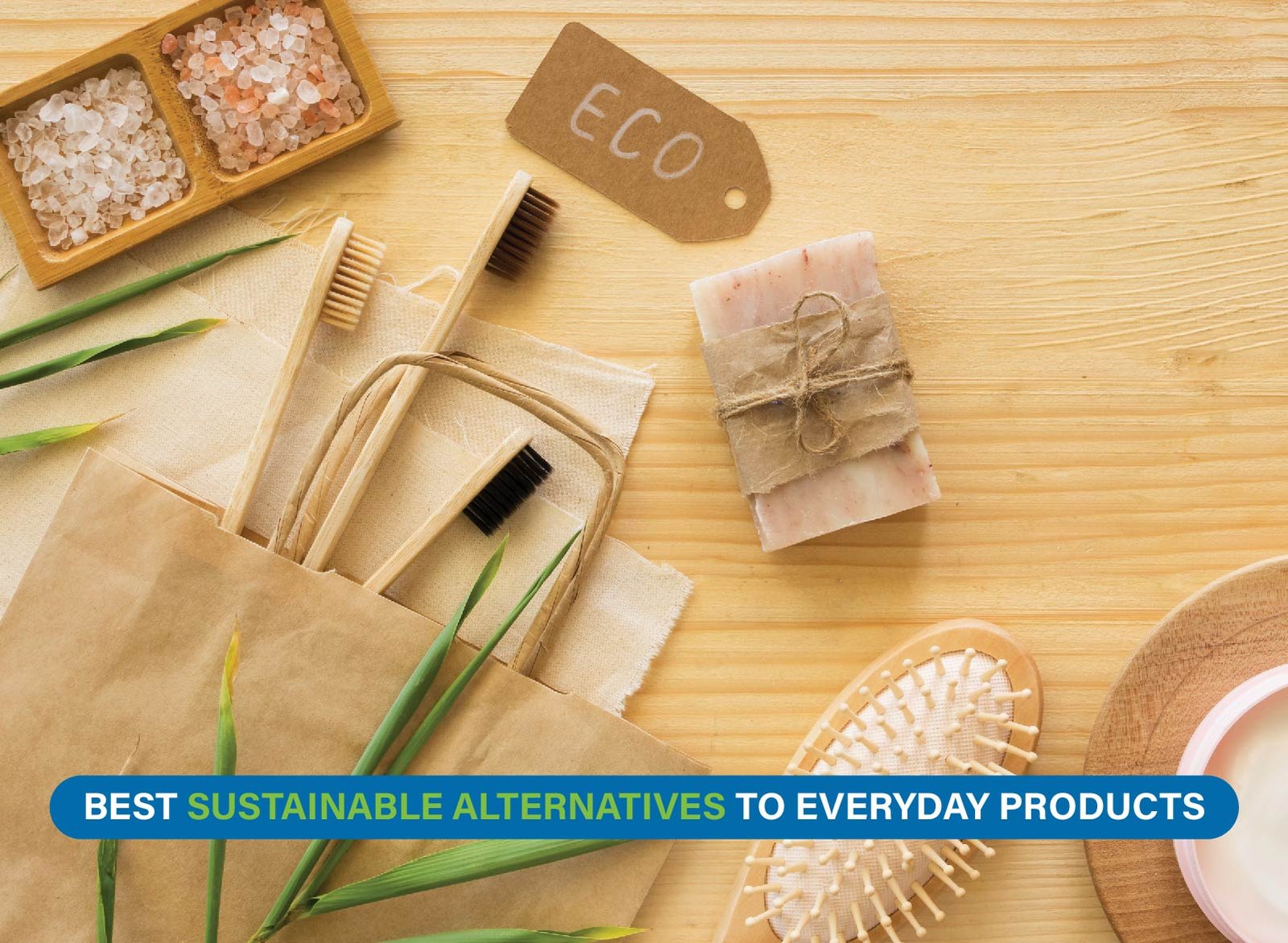
Probably one of the most effective choices that will make a positive difference and allow making your lifestyle more environmentally friendly will be switching to sustainable alternatives of your everyday products, since a lot of simple things we use in our routine, be it a plastic bottle or some disposable cleaning agents, are contributors to pollution and other types of waste. There are many ways in which we can decrease our footprint on the planet through conscious decisions to preserve the Earth to live long enough. The sustainable alternatives are either reusable, biodegradable or recycled so that they are much kinder to the environment. These products like bamboo toothbrushes, stainless steel water bottles, cloth shopping bags & compostable packaging are not only waste reducing but are also saving new natural resources.
Such swaps tend to be economical in the long-run since they don’t need to be replaced as often and tend to last longer too. You do not need to consider the change as something overwhelming since you can think of altering one or two things at once. Every little change to sustainability makes a huge difference to the environment. In your home, your world, going green can reduce landfill waste and greenhouse gases and boost good health. Sustainable living is not about perfection, but about progress and when you switch to these alternatives, you will be making effective choices for yourself and the planet.
Kitchen and Food Storage Alternatives
There is a very high amount of plastic waste that is generated in the kitchen in the form of food packaging and single-use storeware. The conversion to Sustainable Alternatives can play an immense role to reduce household waste and load onto the natural world. When doing the shopping, keep plastic bags and cling film away, instead use reusable containers, glass jars and beeswax wraps. Purchase in large quantities and bring your own cloth bags or mesh items to stores to help reduce unwarranted packaging. Compostable trash bags and stainless steel lunch boxes are also ideal Sustainable Alternatives. These little, conscious changes will make your kitchen greener and will contribute to the reduction of pollution and the conservation of natural resources.
Beeswax Wraps Instead of Plastic Wrap
Beeswax wrapping is reusable, biodegradable and ideal food covers that would not require the usage of plastic wrap. They are made using cotton dipped in beeswax and oils and slip over containers or foodstuff. Once used, they may be washed and used again up to one year hence cost effective and environmentally friendly. When they finally wear out, they can be used as compostage, which decreases the amount of wasted landfill and the sole-use plastic in your kitchen.
Glass or Stainless Steel Containers
Rather than using disposable plastic containers, spend money on glass or stainless steel ones. Such long-lasting materials can also store even hot food and are odor resistant; they last many years, and are safe in storing hot and cold foods. They are also shatterproof yet can be placed in a microwave and a dishwasher and are therefore extraordinarily multifunctional. Using such reusable alternatives helps you save your money as well as decrease the environmental consequences of continuous manufacturing and disposal of plastic.
Cloth Produce Bags
Produce bags made out of cloth substitute the pathetic plastic bags that fruits and vegetables are usually carried in at the grocery stores. These bags are biodegradable, reusable, and made out of cotton or mesh, which makes them easy to be washed. They are also more firm than plastic and this means they are able to carry more weight. The reusable cloth produce bags required as an alternative to one-time use plastics are a relatively simple move with massive positive effects any household can take in its quest to becoming a more sustainable shopper.
Compostable Trash Bags
The conventional plastic trash bags need hundred years to decay but the compostable trash bags will decompose in a natural way through composting plants. The plant-based materials come in the form of plant-based plastic which is equally durable and much friendlier to the environment. Trash Bags Compostable trash bags minimize the amount of trash in the landfill and allow a waste producing circular economy. They can become especially efficient when used along with a composting regimen in your kitchen or yard.
Bulk Shopping with Reusable Bags
Purchasing things in large quantities reduces packaging waste, and in addition, when you carry reusable containers and bags, the effect is even bigger. Most shops also have self-service where people can fill their jars or shopping bags with grains, cleaning items, or spices. In this case, there is no single-use packaging, it is cost-effective in the long-term perspective, and it saves carbon footprint in terms of transporting and manufacturing the packaging for disposing of it.
Personal Care and Hygiene Alternatives
Some of these personal care products are either stored in plastic covers or use toxic chemical content that is a threat to your health and the environment. The use of Sustainable Alternatives can help to decrease the amount of waste considerably. Exchange plastic toothbrushes for bamboo ones, purchase shampoo bars, refillable deodorants and reusable cotton rounds (instead of disposables). Menstrual cup and cloth pads are also extremely eco-effective and even more cost-effective in the long-term view. These Sustainable Alternatives help with reducing plastic waste, toxin exposure, backing environmentally committed brands, and create a more sustainable routine that is better for your body and planet.
Bamboo Toothbrushes
Plastic toothbrushes can actually be replaced easily using Bamboo toothbrushes which are almost impossible to recycle. Bamboo is a material that is free of hazardous pollutants since it is biodegradable, and it is also naturally antibacterial. Compared to their plastic siblings these brushes have the same lifespan, but when you finally need to dispose of these brushes, you can compost the handle rather than place it into the landfill. One of the easiest ways to cut plastic waste is to make a switch to bamboo toothbrushes.
Shampoo and Conditioner Bars
The shampoo and conditioner bars will be an alternative to the plastic bottle and much more concentrated, which means they are going to last much longer. They are formulated with natural ingredients which makes them friendly to both hair and scalp and also contribute to getting rid of unnecessary packaging. Traveling with these bars is also nice as they are small with no leakages at all. The green choice of solid beauty products will considerably decrease your plastic footprint and uphold brands associated with environment-friendly production and packaging processes.
Refillable Deodorant Containers
There are even numerous companies nowadays where they sell refillable deodorants systems whereby you buy the reusable container, once and then easily replace the deodorants insert when needed. This reduces plastic waste dramatically and allows encouraging a circular product life. Refillable deodorants have all kinds of natural formulas, without the potentially dangerous chemicals, so they are safer to your health and to the earth.
Reusable Cotton Rounds
One time cotton rounds and wipes generate a lot of waste. Bamboo cotton rounds or organic cotton ones can be used and washed and reused over years. They are ideal to exfoliate, apply toner, take out makeup or wash the face. Eventually, the economy is saved by this small modification, virtually wastes nothing and is a much greener and more long-lasting option than the single-use alternatives that can be continually purchased and discarded.
Menstrual Cups or Cloth Pads
Reusable cloth pads, and menstrual cups are used instead of disposable tampons and pads that comprise a lot of waste in landfills. They are convenient, affordable and have a life span of years provided they are well taken care of. Menstrual cup is made of medical grade silicone and can last up to 12 hours, whereas cloth pads can be washed and reused multiple times. The two options are waste-minimizing and contribute to establishing a more sustainable way of menstruation care.
Eco-Friendly Cleaning Alternatives
The regular cleaning products are usually made of harsh chemicals and packaged in disposable plastic, which causes pollution and waste. Sustainable Alternatives are less hazardous to the outside world, as well as your house. Take into consideration concentrated cleaning tablets, refillable (washable) spray bottles and organic cleaning agents such as vinegar and baking soda. Disposable wipes and scrubbers can be replaced with compostable and microfiber cloths and sponges, which can be washed and rewashed. By making the change towards more Sustainable Alternatives in cleaning, you will reduce wasteful plastic production, possible exposure to chemicals, and potential toxic pollution of watersheds.
Reusable Spray Bottles with Concentrates
Rather than having to purchase new plastic bottles of spray cleaners each time, consider purchasing concentrated tablets and their bottles that can be washed to use repeatedly. Just fill some water to dissolve the tablets and the cleaner comes up to strength. The system reduces the amount of waste in packaging and is less expensive in the long run. Some of their ecologically aware brands also have options of refill packs, which is even more convenient to continue being environmentally friendly in cleaning.
Vinegar and Baking Soda
Vinegar and baking soda are some of the best, all-natural cleaning agents, which can be used as a substitute for several chemical cleaners. There is no limit to what they can deal with and including deodorizing drains and scrubbing stains. These are pantry items, cheap, biodegradable and free from any hazard to the environment. By using them regularly, you can have a clean home, without the toxins that are often found in traditional cleaning products, making them great Sustainable Alternatives. Microfibre cleaning cloths can be washed and re-used, eliminating the need for paper towels. They are highly absorbent and trap dust well and can be used for hundreds of times. In spite of being made of synthetic fibers, their long life makes them a more Sustainable Alternative. Microfiber cloths are also very friendly to the pocket when cleaning, especially when they are well used.
Compostable Sponges
The production of traditional sponges used man-made materials that are never degraded in land fills. Plant based fibers such as cellulose or loofah can be used to make compostable sponges that are long- lasting, efficient and natural. At a certain point in their life when they are not alive anymore they can be composted rather than thrown away. This little trade off greatly helps cut down on plastic waste and make even the kitchen or cleaning routine a little more environmentally friendly.
Microfiber Cleaning Cloths
Microfibre cleaning cloths can be washed and re-used and they negate the use of paper towels. They are most absorbent and trap the dust well and may be washed several times and are reusable hundreds of times. They also have a long life span despite being made up of synthetic fibers hence a more sustainable option. Microfiber cloths can also be economically friendly as a means of cleaning due to the same factor, especially when properly utilized.
Plant-Based Dish Soaps
The majority of the commercial dish soaps include toxic chemicals and are poured into plastic bottles. Dish soaps made of plants are water-soluble and can be easily composted; they are also gentle to the skin and can be found packed in easily compostable/refillable containers. They clean as well without the pollution of waterways. Having a refillable dish soap and using a reusable dispenser can further decrease wastes, so this is a small but effective change that can be introduced by any family trying to be sustainable.
Sustainable Clothing and Fashion
Fashion is one of the most rampant polluters in the world and you can minimise your effect on the earth by choosing Sustainable Alternatives in fashion. Buy clothes that are either organic or recycled and invest in brands that have good ethical practices when it comes to manufacturing. Second-hand products and thrifting will help prolong the life of clothes and prevent waste. Clothes are also saved when they’re repaired or up cycled. These Sustainable Alternatives will ensure you create a more viable wardrobe with a longer lifespan for your clothes, all while supporting responsible companies, asking less “quantity” more “quality”.
Shop Secondhand or Thrift Stores
When people purchase second hand clothes, they help in avoiding cumulative waste and clothes rot in the landfills. The thrift stores, consigning shops, and online resale offers high quality clothes at relatively cheaper cost. It also minimizes the necessity of producing new products which depletes resources and cuts down on carbon emission. Not only is thrifting environmentally friendly but it can also be a wonderful way to get very unique and individual pieces to add to your wardrobe.
Choose Organic or Recycled Fabrics
Choose organic cotton, hemp, bamboo, or recycled polyester clothes. These are materials that are cultivated or produced with minimum impact on the environment with a low use of the chemical and usage of water. Your decision to wear sustainable fabrics is contributing to decreasing pollution and the depletion of resources that the traditional production of textile implies most of the time. One of the best things one can do to foster improved approaches in the fashion sector is to support the brands who source eco-friendly materials.
Support Ethical Fashion Brands
Ethical fashion companies consider ethical production and ethical labor. They make sure that there is fair payment of the workers and they work in safe environments. Such companies tend to utilize eco-friendly supplies and a clear supply chain. They can be more expensive in the short-run, but they are normally of better quality, and more durable. By purchasing more ethical brands, people encourage companies to be more socially responsible and harm the environment less due to the fast fashion industry.
Repair or Upcycle Old Clothes
Instead of disposing of clothes that are damaged, instead fix or upcycle. The repair of a torn garment or the replacement of a lost button may add several years to its life. With upcycling you can go ahead and create new items out of worn out garments such as totes or accessories. It is a cost-effective manner where minimal waste is generated as it is a creative way of giving your wardrobe a personal touch.
Build a Capsule Wardrobe
A capsule wardrobe is a small class of versatile and high quality pieces, which can be combined with each other. This strategy will make people shop keenly and minimize impulse buying. When you concentrate on high-quality, non-seasonal clothing, you reduce consumption of waste and reduce expenses in the long-term perspective. It is also simplifying your daily life as it is much easier to create a clutter-free and sustainable lifestyle with a capsule wardrobe.
Sustainable Office and Travel Essentials
Habits on work and traveling can create a lot of waste, doing eco-friendly decisions can cut down your imprint. Use reusable pens, notebooks, and travel bottles instead of disposable pens, notebooks, and travel bottles. Always use a stainless steel water bottle and wooden chopsticks to use on the run. Utilize online files instead of printed works to prevent wastage of papers. Light loading and durable luggage is also another way to minimize emissions. Such minor changes will make your daily job routine and your daily commuting less harmful to social life.
Refillable Pens and Pencils
The next time you want to purchase pens buy refillable pens instead of disposable pens, or use mechanical pencils. These alternatives minimize plastic disposal and in the long run can be also more affordable. Most of the pens that are refillable utilize recycled materials, further reducing the environmentally damaging effects of such pens. The best thing is that whichever choice of writing tools you use, you can easily make your work or school routine more environmentally friendly without losing quality or performance.
Reusable Notebooks
Reoriginalizable notebooks based on erasable smart notebooks are notebooks in which you may write, scan, and erase the markings any number of times. Those significantly save paper waste and best suit both students and working people. Brands go so far as to plant a tree with the purchase of each notebook. An easy eco-friendly solution like a reusable notebook you can use as often as you want to would be an efficient eco-friendly solution that would save essential resources and help you keep a solid organization, as well.
Stainless Steel Travel Bottles
The use of stainless steel water bottles prevents wasting of single-use plastic water bottles. The bottles are hard and they keep beverages warm/cold throughout the day, also they come in different sizes. Having a reusable bottle helps save money, and the environment since you reduce plastic waste. Combine with a reusable travel coffee cup to have zero-waste beverage options whether on the road or on the way to work.
Bamboo Cutlery Sets
Plastic pollution is caused to a large extent by disposable cutlery. Bamboo cutlery sets are portable, disposable, and light-weighted, which one can carry in the bag. They are ideal lunches at the workplace or on-the-go meals. Bamboo is highly renewable and very fast growing which makes it quite sustainable. This minor trade is a way of diminishing the quantity of single-use plastic waste and a mode of advancing a more earth-friendly way of life.
Digital Over Print
Use digital copies in place of printouts. Digital files cut on the uses of paper and energy on printing, shipping and recycling. Paperwork is easier than ever to manage now with the help of cloud storage and e-signature services. Not only does this minimal change save resources, but also allows your workflow to be swifter and tidier, and therefore is a win-win situation not only to you, but also to the environment.
Conclusion:
The most accessible and yet effective solution is the usage of sustainable alternatives to everyday products to decrease your environmental impact. When you replace the one-time use and plastic-made objects with the reusable, natural degradation ones, or those that can be used more than once, you would contribute to the reduction of pollution and the waste in the landfill. Small ways of life also save natural resources and long term savings of relatively high sums of money. You can make greener moves in the kitchen and bathroom, during cleaning and traveling in every area of your everyday activity.
The trick is just to do it in stages and grow it, as things wear out one replaces at a time, and not all at once. This method will make the shift less of a burden and sustainable. As I always say, a sustainable lifestyle is not perfection, it is the improvement that happens regularly. Every sustainable decision you will make not only cares about the environment, but also it makes living take on a more healthy and conscious aspect. In a combination with ours, this can be the piece of difference to the environment.
Begin making everyday choices to become more sustainable in your life by buying and using one disposable product less and replacing it with reusable or biodegradable products. It can be a water bottle, grocery bag, or a toothbrush, but every little difference counts. Share what you have done to motivate others and increase the good change on earth by sharing it with friends and family.
FAQs
1. What do they call sustainable alternatives?
Sustainable substitutes include reusable, biodegradable, or recyclable products that help to minimise environmental activities and preserve the idea of natural resources.
2. Is it more costly to buy environmentally friendly products?
Though it is often true that some are more expensive at first, they tend to be cheaper in the long run by their longer life spans.
3. What is the first step in switching to sustainable products?
Start with one or two disposable items to come in a single go and make it easy.
4. Do bamboo products have sustainable production?
Indeed, bamboo is a fast growing resource, it means that it uses less resources, thus making it an environment-friendly material.
5. Will I be able to recycle everything that is biodegradable?
Not necessarily; refer to local recycling and composting regulations to find out how to dispose of them.
6. Can small differences really make a difference?
Absolutely! Individual small measures can contribute to hugely positive environmental standards when done by everyone.
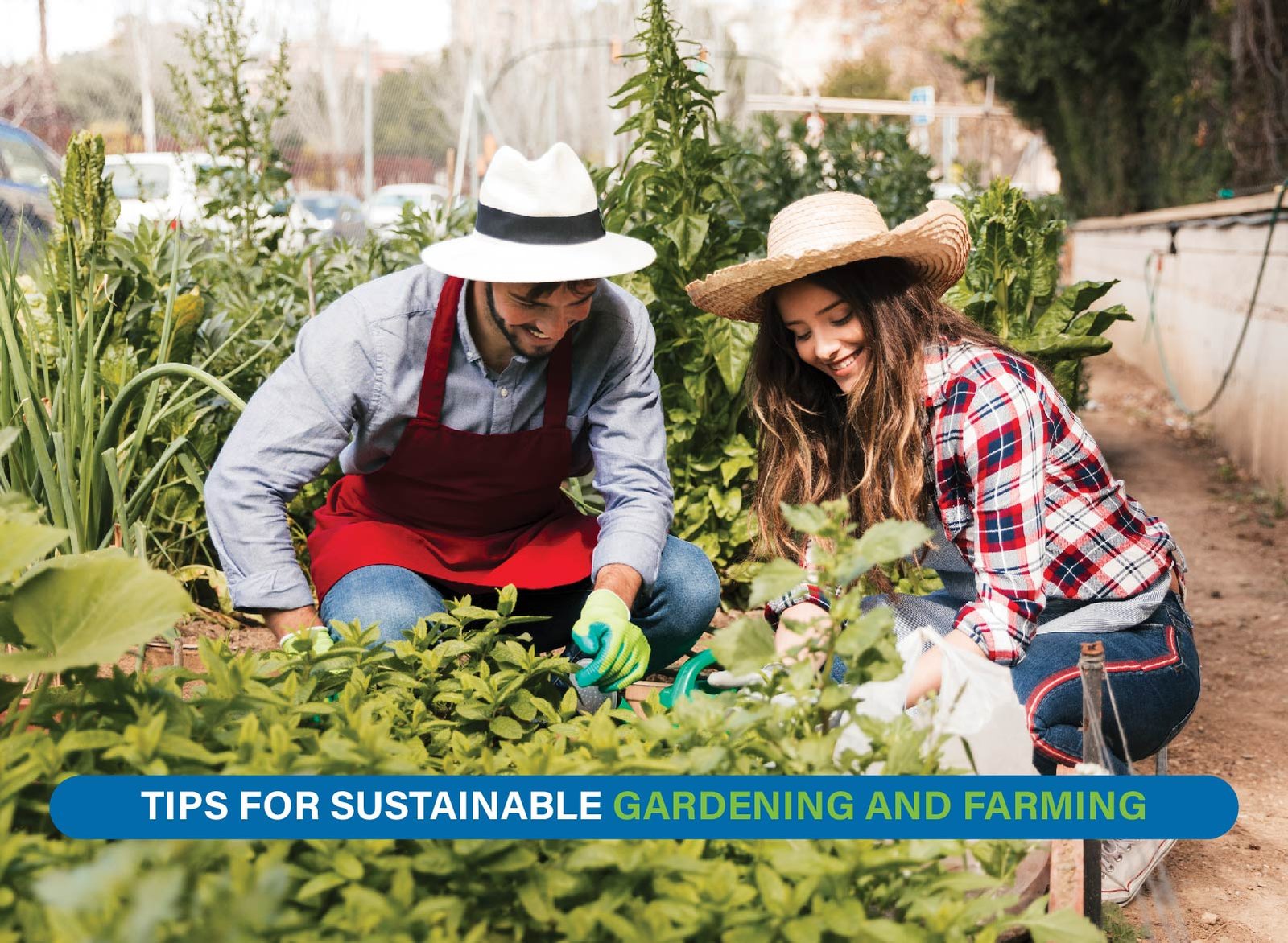
The systems of sustainable gardening and farming are essential in safeguarding the environment, enhancing the health of soil, and guaranteeing productivity in the long run. These are to minimize wastage of resources, minimal chemical use and favor biodiversity to bring about balanced eco systems which work both to the advantage of man and the environment. The basis of sustainability is healthy soil, and composting, crop rotation, and the utilization of organic fertilizers can provide the soil rich in nutrients that supports the growth of plants without any artificial intervention. It is also significant to conserve water and the practices like drip irrigation and even harvesting of rainwater make sure that the plants are provided with sufficient moisture and at the same time there is waste management.
Sustainable systems in pest management aim at preventing and balancing the situation instead of chemically controlling them through the promotion of beneficial insects, companion planting, and crop diversification to maintain the correct balance of the pests. This can be accomplished through biodiversity promotion through planting native species and safeguarding pollinators to create an effective ecosystem. Lastly, gardening and farming can be more environmentally friendly by using less waste by reusing, recycling, and not buying plastics that can only be used once. These strategies complement each other and when used together, you can have a productive and climate-friendly garden or farm that will continue producing year in and out.
Building and Maintaining Healthy Soil
Viable soil is the core of sustainable gardening and farming, which directly influences plant growth, water retention capacity and the ability to resist pests. By paying attention to the status of soil health, the high level of reliance on fertilizers and pesticides is minimized alongside maintaining the long-term productivity of the ground. Other practices such as mulching, crop rotation and composting have natural ways of making the soil fertile. The reduced tillage and the use of organic fertilizer leave the vital microorganisms intact and ensure that they are balanced without affecting the environment in any way. Under the right conditions, the soils will be healthier, stronger, and able to sustain a healthy and flourishing ecosystem.
Composting Organic Matter
Composting turns the leftovers in the kitchen, leaves and other organic matter into fertile humus which works to enhance soil structure and fertility. It is a natural process that minimizes the amount of waste in landfills, and it makes fertilizer that can serve as an alternative to artificial fertilizer. Compost also helps to increase moisture requirement of soil, ensures good microbial activity and growth of plant roots. By periodically adding compost to your garden, you will add nutrients to the soil, and in the long run, you will produce healthier plants and yield improved harvests.
Practicing Crop Rotation
Crop rotation is a type of farming that gives seed to various plants in a particular order to avoid depletion of the nutrients and management of pests and diseases. The practice sustains soil fertility since varied types of plants are able to enrich it as well as extract different types of nutrients. It also interferes with the life cycles of the pests, minimising infestations without the use of chemicals. Deep/shallot roots crops help in strengthening the soil structure, and legumes also fix nitrogen naturally. In the long term, this crop rotation helps the soil become healthier and, therefore, the plants also grow better and produce more.
Using Organic Fertilizers
Natural sources of nutrients in the form of organic fertilizers like composted manure, seaweed extract, or bone meal, also provide nutrients slowly and in a natural way. This slow release ensures there is no nutrient runoff thus no harm is done to the waterways. They enrich the microorganisms in the soil and enhance long term soil health as compared to synthetic fertilizers. In organic fertilizers more water is retained, organic matter is enriched and root growth encouraged which all result in healthier crops. You will sustainably build soil fertility and minimize environmental degradation by making organic choices.
Reducing Tillage
Less tillage saves soil erosion and organisms creating an erected soil structure and less erosion. Over tilling will interfere with microorganism, cut down on organic matter, and produce compact soil. Also, by adopting no-till or low-till crop farming, you preserve natural soil strata which hold water and nutrients. Utilization of cover crops and mulching could substitute the conventional tilling, also safeguarding the condition of the soil. Gradually, the less intense tillage adds an underground ecosystem economy and forms more productive soil, better capable of sustaining crops each year.
Mulching to Retain Moisture
Mulching gives a protective cover to the land and helps to maintain moisture in the soil, maintain temperature and control weeds that may incroach the soil. Straw, wood chips, or shredded leaves all are a form of organic mulch that will degrade and incorporate nutrients back into the ground. It also prevents the erosion of the soil and also eliminates frequent watering. Applying mulch to the ground surrounding plants frequently is a good way to enhance the health of soil, save water, and have a stable environment where the roots would live.
Conserving Water Efficiently
One factor that is key to sustainable gardening and farming is water conservation because this will conserve this precious resource and enhance good plant growth. Having water conservation measures cuts wastes and still maintains the plants with the required water to grow. Such techniques as drip irrigation, capturing rainwater and reusing greywater reduce the reliance on treated water. Moreover, it is also possible to plant drought-resistant plants and irrigate them when needed to use much less. These practices help you to use less water and still have a healthy and productive garden or farm.
Drip Irrigation Systems
Another very efficient system of watering is called drip irrigation; in this system water is supplied to the roots of the plants via the tubes and release points fitted into the system. This minimizes evaporation and runoff thus providing proper moisture to the plants where it is needed the most. Drip systems are time and effort-saving and moreover, it is perfect in saving water in rainfall-scarce areas. They, also, encourage healthier crops and better root growth with age.
Rainwater Harvesting
Rainwater harvesting is nothing more than a process of collecting and storing rainwaters collected on roof tops or other surfaces to be reused in the garden or farm. This free source of water will create less dependence on municipal or treated supply which helps to cut down the cost and save resources. Storage tanks and rain barrels are simple to install and take care of. Irrigation with harvested rainwater will assist in establishing a more self-sustaining water supply particularly in areas that have or lack consistent rainfall.
Choosing Drought-Tolerant Plants
One suggestion is to plant either the native or drought-tolerant species so as to retain less water whilst gardening or farming. These are only the plants, which can be naturally adjusted to the local conditions and need fewer irrigations. They will be able to live off little rain once established and cut down maintenance. Biodiversity and resilience are also facilitated by the incorporation of multiple drought-tolerant plants. This will not only save water but will also serve as a pollinator and an environment that is more sustainable to grow in.
Watering at Optimal Times
It is best to water the plants early in the morning so that the absorption is made maximum and the amount of evaporation reduced. The lower temperatures in the mornings will also enable the water to penetrate the soil before the day warms up. Watering at the wrong time (midday/evening) is also a possible reason to get a fungal disease. This practice combined with effective watering techniques also guarantees that plants are adequately moisturized and water is saved, thus a necessary component of a sustainable gardening practice.
Reusing Household Greywater
Grey water is low-strength used water that may come out in the form of a sink, shower or laundry and may be safely reused in the process of irrigation. This incoming water is diverted with a grey water recycling system to the gardens or farms, which is less of a drain on supply of fresh water. When utilized properly, greywater is beneficial as far as it offers moisture to the plant life without negatively affecting it. This not only conserves water but also reduces pressure on municipal treatment facilities, and thus it is an environmentally friendly way to live sustainably.
Practicing Natural Pest Management
The use of natural pest control is crucial in achieving a balanced ecosystem, this is in order to reduce the use of toxic pesticides. Chemical-based controls may cause harm to positive insects, pollutants to the soil and can interrupt natural functions. As opposed to this, sustainable pest control deals with prevention and control of pests using environmentally friendly methods. Non-chemical protective tactics, including promoting the presence of friendly insects, physical obstacles (or barriers) and planting different kinds of crops, help the plants. They not only can help to inflict less damage on the environment but also entail healthier soil, more pollination, and better overall productivity on the long-term scale which makes such methods an essential aspect of sustainable gardening and agriculture practices.
Encouraging Beneficial Insects
The pests (aphids and caterpillars) are also naturally killed by beneficial insects such as ladybugs, lacewings, and parasitic wasps. By planting flower species such as dill, marigolds and yarrow that attract these beneficial species, one will have a flourishing home to these species. By not using chemical pesticides, they do not get harmed as they cleanse the earth of the pests. Encouraging good insects increases the biodiversity of a garden and establishes a healthier, self-sustainable environment with less dependence on external control of pests.
Using Physical Barriers
Physical protection through row covers, nets, and collar can also be implemented to protect plants against the deadly pests without any chemicals. All these barriers are like a physical shield that stops insects and larger animals to reach crops. They can be installed easily as they are lightweight and the reusable ones. These can be customized to various kinds of plants. Through the implementation of a barrier, it is possible to protect sensitive plants, elevate yields, and minimize pest infestation in an efficient and chemical-free manner.
Companion Planting
Companion planting is the process of growing certain plants alongside each other naturally to repel the pests and attract the pollinators. To illustrate, basil can be planted around tomatoes to deter insects, whereas flowering plants such as sunflowers attract the pollinators. This is how an equitable ecosystem is created in which plants strengthen each other. Companion planting also gives biodiversity, promotes soil health, and reduces the problem of pests without chemicals thus, it is a mainstay of sustainable gardening and farming practices.
Crop Diversity
Diversity in crops also ensures break in pest life cycle and can prevent huge infestations. Cultivation of a mixture of crops also means that those pests attacking one group of plants would not be able to jump to another. Diversity also leads to a healthier soil, healthy pollinators and better balanced ecology. This is a more sustainable way of controlling pests in nature as it lightens the use of pesticides and creates a more sound garden or farm that can be put under a difficult environment.
Homemade Organic Sprays
There are homemade organic sprays, which can repel harmful insects with the help of, e.g., neem oil, garlic, or chili. These sprays may not damage the plants or other useful creatures. These are natural remedies that are not harmful to the surroundings and can be utilized in application over troubled regions. It can help keep the pest populations at bay and at the same time prevent the destruction that comes with using chemical pesticides by regular use. They are economical and environmentally friendly in controlling pests in a sustainable manner.
Promoting Biodiversity
Triumphing biodiversity is very important for the development of sustainable gardening and farming systems that are resilient and self-sustaining. An ecosystem with a variety of different species has good insects, pollinators, and other wildlife that aid in better pest control and soil wellness. The use of native plants, trees and shrubs reinforces natural systems as well as increases productivity. Monocultures have to be avoided, and varieties of plant species have to be promoted, which reduces susceptibility to diseases and pests. With positive biodiversity you will find yourself having a balanced environment where the plants and animals live together in a healthy way, ensuring long-term sustainable gardening and farming practices and better yields, less reliance on chemical interventions and artificial support systems.
Planting Native Species
Native species are adventurously genetically suited to nearby weather condition, soils and pests and hence easy to cultivate and sustain. They offer food and shelter to the local wildlife such as pollinators and other beneficial insects. Using natives also means, less watering and fertilizers have to be used creating a more self-sustaining environment. These plants reinforce the surrounding ecology, enhance both diversity as well as biodiversity and help build a more sustainable healthier garden or farm over time.
Integrating Trees and Shrubs
The incorporation of trees and shrubs in gardens or farms has many ecological advantages. They form windbreaks that shelter crops, prevent erosion, and increase water retention by these plants. Trees also contribute organics to the soil in the form of dropped leaves and promote more positive wildlife. Agroforestry systems where trees, shrubs, and crops are coupled reduce biodiversity and increase output and provide a stable and healthier growing environment which is ecologically and agriculturally positive in the long term.
Creating Pollinator Habitats
Bees and butterflies are important pollinators that enhance the production of the crops and ensure a sustainable healthy ecosystem. Development of pollinator friendly environments, which can be in the form of flower strips, bee houses and hedgerows can offer them shelter and food sources. Their populations are further boosted by avoiding the pesticides and planting native flowers that are rich in nectar. Promoting pollinators enables the reproduction of plants and results in higher biodiversity and a productive sustainable garden or farm.
Avoiding Monocultures
Gardens and farms are more vulnerable to pests and diseases in cases of monocultures i.e. plantation of only one kind of crops. A solar panel crops setup will then allow you to break pest cycles and increase the healthiness of soil by planting various crops. Habitat is also given to beneficial wildlife and pollinators by diversity. The practice increases the ability to withstand environmental stress and can help create a sound ecosystem which does not need any considerable amount of toxic chemical range to give healthy living and flourishing plants.
Protecting Beneficial Wildlife
Wildlife is beneficial to people in that it helps in the elimination of pests without the need to do it entirely by itself. Benign wildlife like birds, frogs and bats ensure there is no pest control procedure as there is sufficient natural pest control. Attracting them (by creating ponds, birdhouses, etc) to discourage the use of chemical pesticides is possible since the birds will help in keeping pests away. These animals also serve a purpose of stabilizing local ecosystems thus making the soil healthy and pollinating. The necessity of protecting wildlife is one of the steps that lead to the creation of the thriving, sustainable garden or farm that will benefit the nature as well as the productivity.
Reducing Waste and Reusing Resources
The issue of reduced waste is one of the fundamental ideas of sustainable gardening and farming since it helps to significantly reduce the pressure on the environment as well as preserves resources. Using the same materials and re-purposing organic waste, as well as selecting tools that can last a long time, will enable you to make an environmentally sound setup that has fewer requirements on disposables. Rain water barrels, reusing garden waste materials and using less plastic also lessen wastes. Such activities do not only save money, but create a self-sustaining garden or farm that will be in harmony with nature as it will pollute less and stay productive in the future.
Recycling Garden Materials
Reusing garden necessities like plants containers, stakes and trellis saves one the extra garbage and expenses. Worn out pots and boards can be mended up or used in a different way and thus can be used for a few more growing seasons. The practice also minimizes the new resources requirement and ensures that waste is not in the landfills. As you make shift with resources you have, you become environment-friendly and economical in your garden.
Using Rainwater Barrels
Using rain barrels is an easy solution to harvest rainwater running off the roofs, and later on use it as irrigation. This also minimizes the quantity of water that you save through treating and eventually saving useful resources. Rainwater is also soft and chemical free which makes it very good to plants. The run off, which can result in transporting pollutants into water bodies, is also minimized through installation of barrels. Stored rainwater is sustainable and cost effective to use.
Repurposing Organic Waste
Kitchen scrap, grass clippings, fallen leaves, and other natural wastes can be used to compost soils in order to supply this material with valuable nutrients. Composting will not only allow one to save space in landfills, but also generate a stable source of organic manure. When natural products are recycled, it enhances the texture of soil and makes crops healthier and minimizes the use of artificial fertilizers. The sustainable practice is simple to start and the key to less waste in gardens and agriculture.
Choosing Durable Tools
High quality gardening equipment will help save on wastage and waste to the environment in the long-term. Long-lasting tools ensure that a replacement is not needed season after season. The Act of selecting equipment that is created with environmentally-friendly materials, such as wood or recycled metal also contributes to the green practice. When used and treated with care and kept in a good condition, quality tools are cost effective, consume less and can make your gardening or farming process more sustainable.
Reducing Plastic Use
One of the biggest environmental problems is plastic waste, and gardening can be involved in that case as disposable pots and packaging are involved. The usage of biodegradable plant pots, cloth grow bags and reusable trays help a great deal to avoid the use of plastic. These substitutes wear out or are renewable to more than one growing season. Cutting down plastics will not only help protect the Earth but also turn your garden greener and more sustainable-lifestyle-oriented.
Conclusion
Sustainable farming and gardening is required to preserve the environment, though allowing sustainable and productive healthy ecosystems. Paying attention to such practices as construction of healthy soil, water conservation, maintenance of biodiversity, and decreasing waste, you can build a system that will sustain without the heavy reliance on synthetic chemicals. The techniques not only decrease environmental degradation but also enhance the well being of plants, boost yields and also save natural resources that can be used in the future.
Such small measures as making compost of organic wastes, planting with indigenous plants, economies on water, and promoting useful wildlife get great impact. Any little measure will help to make the soil healthier, the water cleaner, and ensure the ecosystem is in balance. Sustainable practices also make gardens and farms sustainable in the face of pests, diseases and climatic changes. As a farmer or as a home gardener you can use these techniques and you get to reap the bounty of fresh produce and beautiful landscapes besides seeing the world turn greener.
These are some of the sustainable gardening and farming methods that you can start doing this week to fundamentally change the condition of the environment. Minor adjustments accumulate, whether they be taking out the kitchen scraps to compost, planting native plants, or cutting down on the plastic usage. Be ahead of the game and help the rest of the world to green its garden or farm by being its first example.
FAQs
1. What is sustainable agriculture and farming?
Sustainable farming and gardening employ non-destructive farming techniques that ensure environmental preservation of water, soil, and biodiversity as well as healthy plants and crop products.
2. What are some of the ways I can use up less water in my garden?
Plant drought-tolerant gardens with drip irrigation and rain barrels, and if you irrigate, freely use the water early in the morning when most of the evaporation has occurred.
3. Is it better to use organic than synthetic fertilizer?
Yes, organic fertilizers nourish the soil and supply nutrients gradually, enhancing the well-being of the soil without killing and destroying beneficial microorganisms.
4. What value does biodiversity have on agriculture?
Biodiversity makes ecosystems stronger, they control pests and diseases and maintain productivity in the long-term.
5. What can I do to minimize the waste of gardening?
Recycling organic materials, using the old garden supplies, cutting the plastic intake, and buying quality-remaining tools.
6. What are some of the non-chemical methods of pest control?
Foster the presence of desirable insects, make use of companion planting strategies, employ the homemade sprays, and shield the plants against physical barriers.

Simple Eco Friendly Changes to Make at Home

Best Sustainable Alternatives to Everyday Products

Tips for Sustainable Gardening and Farming

Practical Ways to Live a Low Impact Lifestyle

Easy Ways to Reduce Household Energy Consumption

Sustainable Shopping Habits to Adopt Now

How to Create a Zero-Waste Home

How to Reduce Plastic Waste in Daily Life

How to Live Sustainably in an Urban Environment

Sustainable Living Tips for Beginners

Best Practices for Reducing Global Warming

How Individual Actions Can Combat Climate Change

Understanding Climate Change and How to Fight It

How to Start a Climate Change Awareness Campaign

Climate Change Solutions for the Next Generation

How to Contribute to Climate Change Prevention

Tips For Reducing Greenhouse Gas

How to Make Your Home More Energy-Efficient

Best Climate Change Action Plans For Businesses

How to Reduce Carbon Footprint at Home
Tips For Reducing Greenhouse Gas
How to Contribute to Climate Change Prevention
How to Make Your Home More Energy-Efficient
How to Reduce Carbon Footprint at Home
Sustainable Living Tips for Beginners
How to Reduce Plastic Waste in Daily Life
Best Climate Change Action Plans For Businesses
How to Create a Zero-Waste Home
Best Sustainable Alternatives to Everyday Products
Climate Change Solutions for the Next Generation
Simple Eco Friendly Changes to Make at Home
How Individual Actions Can Combat Climate Change
How to Start a Climate Change Awareness Campaign
Sustainable Shopping Habits to Adopt Now
Best Practices for Reducing Global Warming
Tips for Sustainable Gardening and Farming
How to Live Sustainably in an Urban Environment
Practical Ways to Live a Low Impact Lifestyle
Understanding Climate Change and How to Fight It
Easy Ways to Reduce Household Energy Consumption
Simple Eco Friendly Changes to Make at Home
Best Sustainable Alternatives to Everyday Products
Tips for Sustainable Gardening and Farming
Practical Ways to Live a Low Impact Lifestyle
Easy Ways to Reduce Household Energy Consumption
Sustainable Shopping Habits to Adopt Now
How to Create a Zero-Waste Home
How to Reduce Plastic Waste in Daily Life
How to Live Sustainably in an Urban Environment
Sustainable Living Tips for Beginners
Best Practices for Reducing Global Warming
How Individual Actions Can Combat Climate Change
Understanding Climate Change and How to Fight It
How to Start a Climate Change Awareness Campaign
Climate Change Solutions for the Next Generation
How to Contribute to Climate Change Prevention
Tips For Reducing Greenhouse Gas
How to Make Your Home More Energy-Efficient
Best Climate Change Action Plans For Businesses
How to Reduce Carbon Footprint at Home
-
 Climate Change Awareness and Action8 months ago
Tips For Reducing Greenhouse Gas
-
 Climate Change Awareness and Action8 months ago
How to Contribute to Climate Change Prevention
-
 Climate Change Awareness and Action8 months ago
How to Make Your Home More Energy-Efficient
-
 Climate Change Awareness and Action9 months ago
How to Reduce Carbon Footprint at Home
-
 Sustainable Living Tips5 months ago
Sustainable Living Tips for Beginners
-
 Climate Change Awareness and Action8 months ago
Best Climate Change Action Plans For Businesses
-
 Sustainable Living Tips5 months ago
How to Create a Zero-Waste Home
-
 Sustainable Living Tips5 months ago
Best Sustainable Alternatives to Everyday Products


